A wooden house has an attractive appearance, creates an atmosphere of comfort and has a beneficial effect on health. The natural origin of the material is both its advantage and disadvantage. The disadvantage of wood is that it is susceptible to the harmful effects of wind, precipitation and ultraviolet radiation. Eco-friendly homes are also attractive to insects seeking a warm home. To protect the structure from external factors, it is necessary to periodically process the outside of the wooden house. In our article, we will tell you in detail about the impregnating agents and the rules for their use.
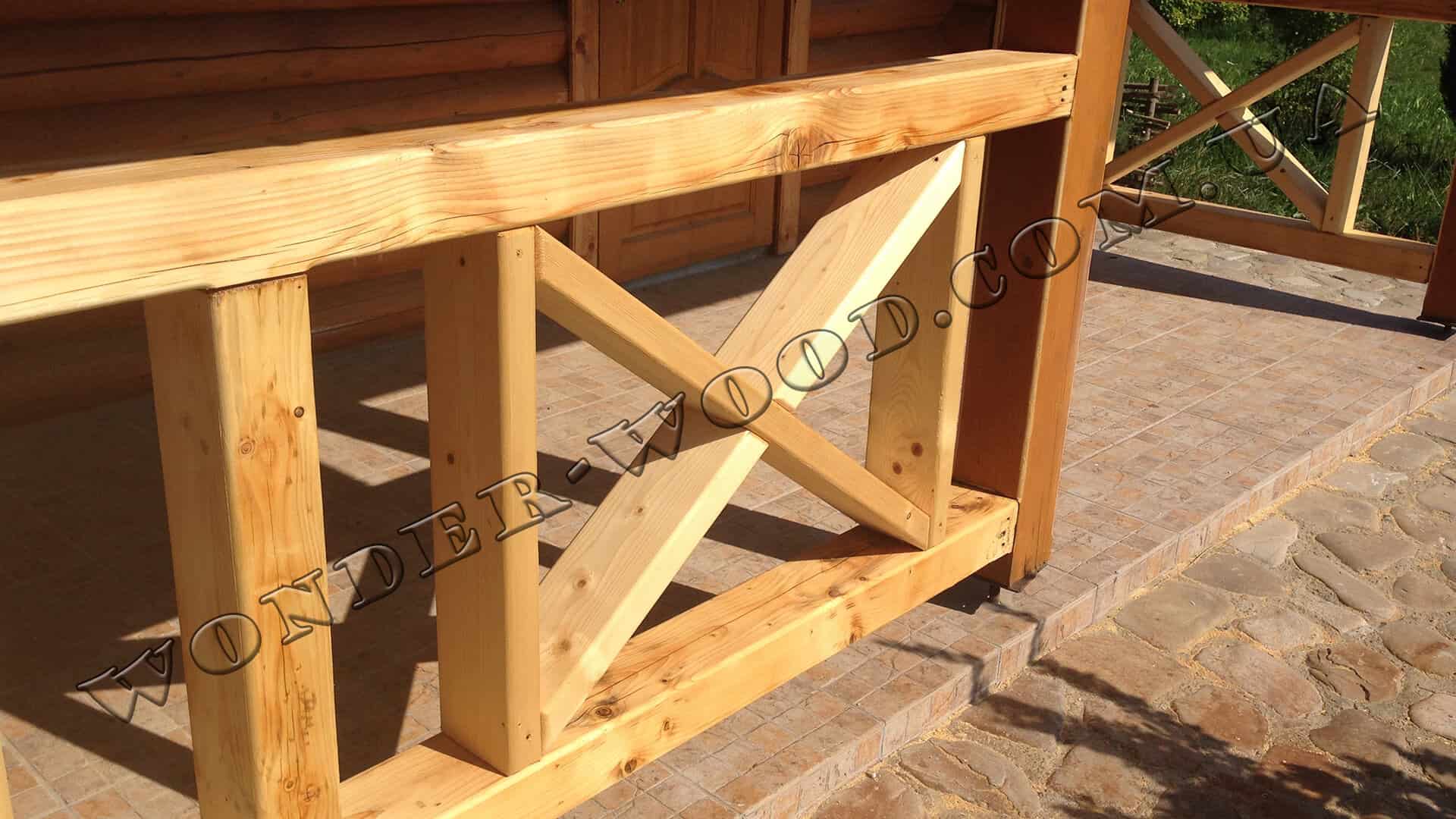
How to process a wooden house outside
According to the purpose, the means of protection for wood houses are divided into 4 types:
- Antiseptics. It is used to treat a wooden house from insects, as well as fungal diseases, mold and harmful microorganisms. Antiseptic compositions can be used both for prevention and control of existing pathogens. According to the principle of action, such agents are of two types: impregnating and covering. The first ones penetrate deeply into the structure of natural building materials and protect against harmful factors for years. Coating preparations form a film on the surface that prevents moisture penetration. These compositions are also suitable for baths;
- Refractory products. These are preparations with flame retardant additives. They suppress instant ignition and prevent wood from burning for a long time when exposed to open fire. If the fire is not extinguished in time, the impregnated wood will simply smolder;
- Preservative compounds. These are the means to maintain the condition of the material. They are divided into two types: impregnating and film-forming. Impregnation of a wooden house from the outside ensures the preservation of its original appearance for many years, and also protects against deformations. Coating agents form a moisture-repellent barrier;
- Protective finishing agents. They are primarily used to give the surface a shine. In addition, the compounds protect the wood from sun and moisture burnout. Protective and finishing agents include oil-based or water-based varnishes and paints for wood.
How often should a wooden house be processed
On average, a natural material retains its original properties for about 5 years. Then the tree begins to lose its original appearance. This is due to the fact that the surface is constantly exposed to external factors. They lead to cracking and penetration of moisture, fungus and pests into the structure of the tree. Timely processing of a wooden facade will avoid these problems.
The procedure for processing a house made of wood
First you need to apply a deep penetration antiseptic. After 2 weeks, you can start using fire retardants. Finishing is carried out no later than 2 months after antiseptic treatment, so that the composition is not washed off by precipitation.
The order of work depends on the life of the building. If the building is new, processing consists of the following steps:
- Removing the top layer of wood with a grinder or grinder. The result is a completely sanded and even surface.
- Cleaning the surface from the remnants of dirt and dust using a vacuum cleaner or damp cloth.
- Trial application of the composition in a separate, inconspicuous area to check the final shade.
- Application of the protective agent with a roller, brush or spray gun, observing the interval between treatments.
- It is advisable to carry out the work at a temperature not lower than + 5 ° C.
With painted walls, the protective measures are carried out in a different order. Before processing a house from a bar outside, you need to assess the condition of the walls. Old paintwork is removed in the following cases:
- The presence of a large number of layers of film or paint on the surface;
- Cracking of wood;
- The wood has a glossy finish;
- The walls were finished with acrylic or latex.
To clean the surface from the old coating, use an emery cloth, grinder or spatula. Further work is performed in the following order:
- Remove residues with a vacuum cleaner and a damp cloth.
- Antiseptic impregnation.
- Applying 1-2 coats of a primer containing fungicides.
- Create a mixture of paint or varnish.
- Application of the mixture 2-3 times, the interval between processing is at least 2 days.
- Finishing treatment.
End sealing
The end is the most vulnerable element of the log house, therefore it requires processing with a sealant. It protects the wooden structure from moisture penetration without interfering with normal air exchange. After application, a moisture-repellent film forms on the end cut. Depending on the composition, the product is applied in 3-5 layers. Water-based or oil-based preparations are best for treating a wooden house.
If the end face is cracked, moldy, or fungal, apply deep penetration sealants. It is advisable to use contrasting agents that differ in shade from wood. This will allow you to control the volume of the applied liquid.
For the first time, the protection of a wooden house from insects, mold, mildew and other pests is carried out during the construction phase. Subsequently, you need to reapply the product with an interval of 5-7 years.